
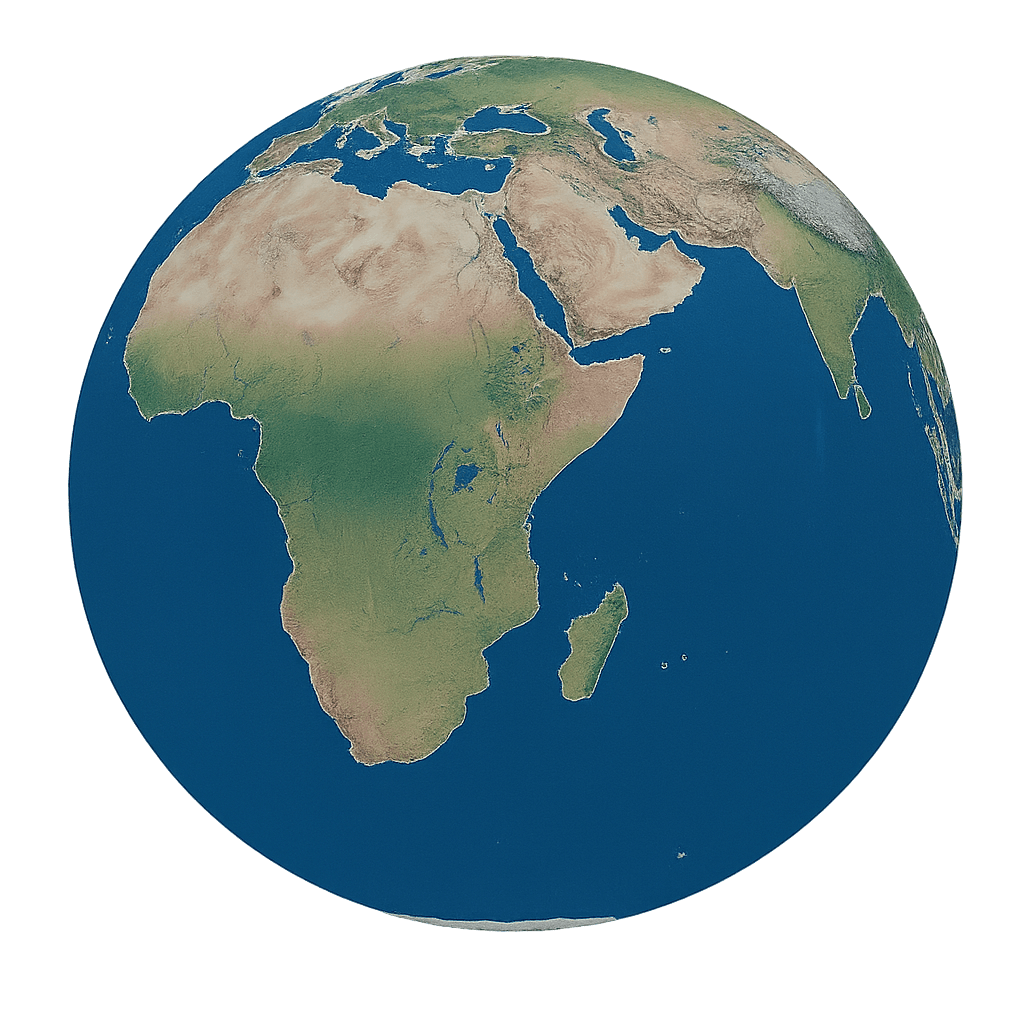
Malaria vaccines in Mozambique: PATH helped train 400 community members (including Agentes Polivalentes de Saúde and health committee leaders) and 60 health workers in Tete and Zambézia to boost malaria vaccine promotion through better community conversations, myth-busting, and follow-up for children who missed doses. Maternal/newborn care access in Eswatini (regional health signal): King Mswati III opened the E50m Khanyisile Hee Yeon Clinic (E200m medical centre project), pushing specialised services closer to Nyonyane residents to cut travel costs and support earlier treatment. Child health and preventable deaths (Mozambique included): A CDC-supported CHAMPS review across Mozambique and other countries found 4 in 5 stillbirths and young child deaths were preventable or possibly preventable with care that already exists—highlighting gaps in pregnancy and newborn care. TB treatment resistance study (Mozambique included): Oxford leads the £10m RESPECT-TB project tracking how resistance to newer drug-resistant TB medicines is emerging, with work across India, Kazakhstan, Mozambique, South Africa and Vietnam. Pandemic preparedness equipment (not Mozambique, but health systems): WHO and the Pandemic Fund delivered M2.5m in medical and ICT tools to Lesotho to strengthen outbreak detection and response.
AGP Executive Report
Your go-to archive of top headlines, summarized for quick and easy reading.
Note: AI summary from news headlines; neutral sources weighted more to help reduce bias in the result. Feedback is welcome. Please let us know if you have any comments or suggestions about the AGP Executive Report.
Malaria Vaccines in Mozambique: PATH trained 400 community health workers and committee members in Tete and Zambézia to boost malaria vaccine promotion, tackle misconceptions, and help identify children who missed doses—strengthening follow-up between families and clinics. Maternal & Newborn Survival in Africa: A CDC-supported CHAMPS review across seven countries including Mozambique found 4 in 5 stillbirths and young child deaths were preventable or possibly preventable with care that already exists, pointing to gaps in hospital-associated infections and pregnancy-related complications. TB Treatment Resistance Watch: Oxford leads a £10m RESPECT-TB programme across India, Kazakhstan, Mozambique, South Africa and Vietnam to track emerging resistance to newer drug-resistant TB medicines and what it means for patient outcomes. Health Access Infrastructure (Mozambique region): A Mozambique-linked health access story highlights how bringing services closer to communities can cut travel costs and support earlier treatment, with a focus on sustainability and expanded specialised care. Community Health & Equity: Coverage also spotlights how trusted local health structures can improve demand and access—while reminding readers that prevention and timely care save lives.
Malaria vaccines momentum in Mozambique: PATH is training community health workers (APS) and health committees in Pebane, Maganja da Costa and parts of Tete to boost malaria vaccine promotion, tackle misconceptions, and help identify children who missed doses—400 community members and 60 health workers trained between Oct 2025 and Apr 2026. Mozambique child deaths prevention data: A CDC-supported CHAMPS study across Mozambique and other countries found 4 in 5 stillbirths and young child deaths investigated were preventable or possibly preventable with care that already exists, highlighting gaps in maternal health, newborn care and hospital-associated infections. TB drug-resistance research includes Mozambique: Oxford leads a £10m RESPECT-TB programme tracking resistance to newer drug-resistant TB treatments, with Mozambique among the five high-burden countries studying how resistance emerges and affects patients. Health access infrastructure in the region: Eswatini’s King Mswati III opened the Khanyisile Hee Yeon Medical Centre (E200m total; E50m first phase), urging a sustainability plan—relevant for regional lessons on keeping new services running. Health system readiness support: WHO and the Pandemic Fund provided Lesotho with medical and ICT equipment to strengthen disease surveillance and response, including glucose monitors, stethoscopes and connectivity tools.
Missing Doctor: Limpopo police are searching for Dr Rega Mohammed Tavangar, 61, missing since 27 August after last being seen at Mokopane Hospital, with his phone reportedly switched off. Malaria Vaccines Rollout: PATH trained 400 community health workers and committee members in Tete and Zambézia to promote malaria vaccine uptake, tackle misconceptions, and help track children who missed doses. TB Treatment Resistance Watch: Oxford leads the RESPECT-TB programme (including Mozambique) to study how resistance to newer drug-resistant TB medicines is emerging and what it means for patients. Child Deaths Stillbirths: A CDC-supported CHAMPS report finds about 80.7% of stillbirths and young child deaths assessed across seven countries were preventable or possibly preventable with care that already exists. Malawi Polio Response: Malawi activated a rapid polio outbreak response after cVDPV2 was detected, using Round Zero and nationwide nOPV2 campaigns to protect millions of children. Mozambique Health Access (Regional): Eswatini opened the Khanyisile Hee Yeon Clinic, aiming to bring care within five kilometres—an example of how distance barriers can be reduced. Food Systems & Nutrition: A Malawi banana policy brief urges investment in seed systems, disease control, irrigation and market links to revive the banana value chain after BBTV losses. Vaccine Manufacturing Push: Africa moves toward local vaccine production, with new manufacturing plans in South Africa to expand capacity for multiple vaccines. Mozambique Trade Linkages: Tanzania’s FACIM engagement in Maputo highlights how health-adjacent development can follow trade partnerships—turning relationships into sustained investment.

Polio Response in Malawi: Malawi moved fast after detecting circulating vaccine-derived polio type 2 in Blantyre, then confirmed cases in the community, launching nationwide campaigns with WHO and partners and reaching millions of children with Round Zero and nOPV2 rounds. Vaccine Self-Reliance: Africa is pushing to cut dependence on imported vaccines, with AfDB backing a Biovac expansion in Cape Town to boost local production, including oral cholera and inactivated polio vaccines. TB Drug Resistance Watch: Oxford leads a £10m RESPECT-TB programme across India, Kazakhstan, Mozambique, South Africa and Vietnam to track resistance to newer drug-resistant TB treatments. Women’s Health Access (Eswatini): The Khanyisile Hee Yeon Clinic was opened after surpassing a healthcare access target by bringing services within five kilometres of Nyonyane. Maternal & Child Deaths: A CDC-backed review using postmortem testing in Mozambique and other countries found most stillbirths and young child deaths were preventable or possibly preventable with existing care. Mozambique Health & Safety: Mozambique’s President Daniel Chapo reiterated economic independence and youth participation as priorities, linking development to better living conditions.
Maternal & Child Health: A CDC-supported review using postmortem testing across Mozambique and six other countries found 4 in 5 stillbirths and young child deaths were preventable or possibly preventable with care that already exists, pointing to gaps in infection control and pregnancy complication management. Women’s Rights & Justice: Sierra Leone’s Chief Justice Komba Kamanda urged African courts to strengthen gender-sensitive enforcement of women’s reproductive health rights under the Maputo Protocol, stressing real access to justice and healthcare. TB Drug Resistance: Oxford leads a £10m RESPECT-TB programme across India, Kazakhstan, Mozambique, South Africa and Vietnam to track how resistance to newer drug-resistant TB medicines is emerging and what it means for patients. Glaucoma Access: Hexiris Ophthalmics announced first-in-human OBi glaucoma data and plans to present at major meetings, aiming to improve access to surgical options where operating-room bottlenecks limit care. Health Equity for Women: A new Women’s Health Van in Canada will bring products, education and support directly to underserved communities—an example of mobile care models that can inspire outreach. Mozambique Security: UN reports nearly 945,000 displaced in Cabo Delgado due to ongoing insurgency, with rising risks including family separation and gender-based violence.
TB Drug Resistance Watch: Oxford leads a £10m RESPECT-TB programme tracking how resistance to newer drug-resistant TB treatments is emerging, with Mozambique among the five high-burden countries. Eye Health Access: Hexiris Ophthalmics plans to share first-in-human OBi glaucoma data at major fall meetings, highlighting the need to expand surgical access for glaucoma patients. Women’s Health & Prevention: Merck Foundation, with African First Ladies, announced 2025 winners for “More Than a Mother” and “Diabetes & Hypertension” awards, pushing awareness on early detection and healthier lifestyles. Child Protection & Education: A global warning says 93 million children are out of school due to attacks on education, with thousands of incidents reported. Climate & Health Risks: El Niño is strengthening, with expected regional impacts on food, water, and health—raising concerns for vulnerable communities. Mozambique Security & Health Access: Northern Mozambique’s Cabo Delgado conflict continues to displace nearly 945,000 people, worsening risks like family separation, gender-based violence, and limited access to aid and services. Mozambique Hostage Crisis: Insurgents attacked a hunting lodge in Niassa, with reports of civilians abducted and a medical centre targeted. Early Childhood Development: New research reviews pre-primary programmes across countries including Mozambique, stressing that healthy, nurturing learning environments matter for long-term outcomes. Pharma Supply Expansion: Portuguese group FHC plans to expand in Africa with a push into sterile injectables, potentially affecting access to critical medicines. Health-Linked Sports Rehab: Malawi’s Deborah Henry, who suffered an injury in a match against Mozambique’s Costa do Sol, has undergone successful surgery and begun rehabilitation.
GBV Accountability: South Africa’s Deputy Minister Mmapaseka Steve Letsike urged that ending gender-based violence needs commitments to move from speeches into laws, budgets, and real safety for survivors. Justice & Health Access: A South African inquiry heard how SAPS refusal to fund legal costs stalled a post-TRC prosecution tied to the 1983 abduction and disappearance of ANC courier Nokuthula Simelane—highlighting how legal support gaps can derail justice. Digital Health & Social Protection: UNDP’s Africa Accelerator mission studied India’s digital identity and payments systems, with delegates exploring how digital public infrastructure can strengthen services like healthcare and social protection. Climate & Food Security: El Niño is strengthening toward late 2026, with Africa facing mixed impacts—wetter East Africa but higher drought risk in parts of Southern Africa—raising concerns for food, water, and health. Mozambique Conflict & Displacement: UN reports nearly 945,000 people displaced in Cabo Delgado, with repeated moves increasing risks like gender-based violence and lack of documents. Maternal Health Insurance: Mozambique’s EMOSE compensated about 9,000 agricultural producers (25m meticais) after extreme weather, using weather- and yield-index insurance to protect small farmers. Niassa Attack Impact: After an attack near Marangira, Mozambique officials reported burned health facilities and hostage-taking, underlining direct threats to community health services.
Mozambique Security & Health Access: Northern Mozambique’s Niassa province is reeling after an attack near Marangira that reportedly burned tourist camp facilities and even a local health centre, with people taken hostage and vehicles stolen—raising urgent concerns for safety and access to care. Cabo Delgado Displacement: The UN reports about 945,000 people displaced within Cabo Delgado, with repeated moves, heightened risks of family separation, gender-based violence, and document loss. Maternal & Newborn Care Funding: Mozambique-linked health news includes EMOSE compensating around 9,000 agricultural producers for 2024–2025 losses, while broader maternal/newborn support highlights continued investment needs. Pharma Supply & Access: Portuguese group FHC plans to expand in Africa with sterile injectables, a move that could reshape availability of critical medicines. Women’s Health Outreach: A new women’s health van in the Greater Toronto Area targets barriers like transport, childcare, stigma, and trusted information. Conservation & Human Safety: A Zimbabwe lion killing shows the stakes of human-wildlife conflict and the push for coexistence models.
Genital-theft panic turns deadly: A viral rumour claiming men’s genitals can “shrink” or “disappear” after a shoulder tap has sparked mob violence across eight African countries, with BBC reporting 80+ deaths between Oct 2025 and Jul 2026; Mozambique is among the affected nations, highlighting how misinformation can quickly become a public-safety and health crisis. Northern Mozambique insecurity: Insurgents linked to an Islamic State affiliate raided a hunting lodge and nearby town in Niassa, burning facilities, disabling communications, and taking hostages; local reports say a health centre and police post were hit, worsening access to care and safety for civilians. Maternal health funding (regional): A $1.2m donation to UNICEF in Pakistan targets maternal and newborn care—an example of how health system support can close service gaps. Pharma expansion: Portuguese group FHC plans to push into sterile injectables in Africa, aiming to strengthen supply of critical medicines. Agriculture insurance payout: Mozambique’s EMOSE compensated about 9,000 farmers with 25m meticais after extreme weather losses, supporting resilience for small producers.
Sterile injectables push: Portuguese pharma group FHC says it will expand in Africa by moving into sterile injectables after acquiring Activo Health, aiming to compete with established parenterals players. Cabo Delgado health and safety: UN-linked reporting warns nearly 945,000 people are displaced in Cabo Delgado, with raids, kidnappings and extortion disrupting access to care and daily life. Northern Mozambique attack impacts services: Niassa authorities say insurgents burned a hunting lodge and a local health centre, stole vehicles and took hostages—prompting calls for stronger security patrols. Maternal health funding: A $1.2m donation to UNICEF in Pakistan targets maternal and newborn health, strengthening care before, during and after childbirth. Agriculture insurance in Mozambique: EMOSE compensates about 9,000 agricultural producers with 25m meticais after extreme weather losses, using weather- and yield-index micro-insurance. Migration management update: South Africa’s inter-ministerial committee reports progress on implementing a five-point migration management plan. Reproductive rights in courts: Chief Justice Kamanda urges African judges to enforce women’s sexual and reproductive health rights under the Maputo Protocol.
Armed Conflict & Safety: Insurgents raided a hunting lodge and the town of Marangira in Niassa, burning facilities, disabling communications, and taking civilians hostage; reports say a South African mechanic and other camp staff are among those seized, while local health services were also hit. Child Health & Protection: Mozambique’s President urged action to end Cabo Delgado terrorism so children can attend school safely, and called for stronger prevention of early and teenage pregnancies. Maternal & Newborn Care Support: A $1.2m donation to UNICEF in Pakistan highlights the wider region’s push to strengthen care before, during and after childbirth. Early Childhood Development: New African research reviews pre-primary programmes in countries including Mozambique, stressing that enrolment alone isn’t enough—healthy, nurturing learning environments matter. Agriculture Risk Relief: Mozambique’s EMOSE disbursed 25m meticais to compensate about 9,000 agricultural producers for 2024–2025 extreme weather losses, using weather- and yield-index insurance. Health Systems & Access: UNICEF warns global vaccine coverage is still below pre-pandemic levels, leaving millions of infants un- or under-vaccinated.
HIV Prevention Rollout (Mozambique): Mozambique’s Health Ministry says at least 56 facilities across 16 districts are now administering lenacapavir for HIV prevention (PrEP), reaching about 15,700 people, with coverage expanding beyond initial plans into Nampula, Maputo City and Zambézia. Security & Health Services Disruption (Niassa): After an attack on Mozambique Wild Adventures camps in Marangira, Niassa, armed rebels burned lodge facilities, stole vehicles, and reportedly burned a local health centre while taking hostages—prompting calls for stepped-up defence operations and public vigilance. Agriculture Insurance Support (FACIM 2026): EMOSE disbursed 25 million meticais to compensate around 9,000 agricultural producers for 2024–2025 losses linked to extreme weather, highlighting weather- and yield-index insurance as a growing tool for small farmers. Maternal & Newborn Care Funding (Global): The Church of Jesus Christ of Latter-day Saints pledged $1.2 million to UNICEF for a two-year initiative to strengthen maternal and newborn health services in Pakistan. Public Health Misinformation Risk (Regional): A BBC-linked report warns that “genital theft” rumours spread via social media have fueled deadly lynchings across multiple African countries, underscoring the health harm of misinformation. Musculoskeletal Health (Global): A new analysis reviews neck and low back pain trends, noting neck pain is a leading cause of disability and that patterns differ for women of reproductive age. Wildlife Monitoring (Africa): Conservation groups are expanding wildlife censuses using camera traps and tracking tools to better manage populations under pressure from climate and habitat loss.
Security & Health Access: After a terrorist attack in Niassa Reserve forced staff from Mozambique Wild Adventures to flee, authorities say lodges were burned, vehicles stolen, and even a local health center hit—urging vigilance and reporting of suspicious activity. Climate Risk & Food Security: EMOSE disbursed 25 million meticais to compensate about 9,000 agricultural producers for 2024–2025 losses tied to extreme weather, highlighting the push to expand weather- and yield-index insurance. HIV Prevention Rollout: Mozambique’s Ministry of Health reports lenacapavir PrEP is now being administered in at least 56 units across Zambézia, Maputo (city and province) and Nampula, with 15,703 people having started prevention by 21 August. Maternal & Newborn Care Funding: The Church of Jesus Christ of Latter-day Saints pledged $1.2 million to UNICEF for a two-year maternal and newborn health initiative in Pakistan, aiming to strengthen care before, during and after childbirth. Water & Resilience: Mozambique’s EDM estimates $76 million in losses from extreme weather (2022–2026) and is building climate risk and disaster management capacity to protect power infrastructure. Animal Health & Trade: The Philippines imposed a temporary ban on FMD-susceptible animals and products from at least 23 countries, including Mozambique, to protect local livestock health. Child Safety Online: UNICEF estimates 20 million children aged 12–17 in 21 countries experienced technology-facilitated sexual exploitation and abuse in a year, with Mozambique included in earlier research rounds.
HIV Prevention Rollout (Mozambique): Mozambique’s Health Ministry says at least 56 health units across 16 districts are now administering lenacapavir PrEP to prevent HIV, reaching about 15,700 people, with Zambézia and Maputo leading and Nampula added as coverage expands. Child Well-being & Conflict (Cabo Delgado): President Daniel Chapo urged an end to terrorism in Cabo Delgado to protect children’s rights, improve schooling stability, and tackle early and teenage pregnancies. El Niño Threat to Children (Region): UNICEF warns that El Niño risks could affect 162+ million children across eastern and southern Africa, threatening nutrition, health, safe water, sanitation, and education, with Mozambique named among the priority countries. Digital Health (Mozambique): Mozambique’s first digital health conference highlighted how digital tools can improve care, featuring a national push to put people at the center of health technology. Animal Health & Food Safety (Philippines, includes Mozambique): The Philippines temporarily banned imports of FMD-susceptible animals and certain meat products from 23 countries, including Mozambique, citing lab-confirmed outbreaks. Hospital Care Risks (Malawi): Malawi’s referral hospitals face serious infrastructure and service problems alongside a controversial NOCMA MK700m payment linked to alleged cyber-fraud, raising broader accountability concerns. Climate & Power Resilience (Mozambique): EDM reports extreme weather losses of about $76m (2022–2026) and is strengthening climate risk management for power generation and grid infrastructure. Public Health Misinformation (Regional): A BBC investigation links “genital theft” rumours amplified online to more than 80 lynchings across multiple African countries, underscoring the deadly impact of misinformation.
HIV Prevention in Mozambique: Mozambique’s Health Ministry says at least 56 health facilities across 16 districts are already administering lenacapavir PrEP, reaching about 15,700 people, with rollout expanding beyond Zambézia and Maputo into Nampula. Child Health & Safety: President Daniel Chapo told Mozambique’s Children’s Parliament that ending Cabo Delgado terrorism and strengthening peace and security are key to protecting children’s rights, including stopping early and teenage pregnancies. Water Security Push: Eswatini’s King Mswati III called for accelerated investment and regional cooperation to ensure clean water for all by 2030, citing progress toward SDG 6. Climate Threat to Children: UNICEF warns El Niño risks could affect over 162 million children across eastern and southern Africa, with threats to nutrition, health, safe water, sanitation, and schooling—Mozambique included. Food & Health Risks from Pesticides: A new study estimates up to 433 million cases of unintentional pesticide poisoning each year, with the heaviest burden in the Global South. Animal Health & Trade: The Philippines temporarily banned imports of FMD-susceptible animals and products from 23 countries, including Mozambique, to protect local livestock.
HIV Prevention Rollout: Mozambique’s Ministry of Health says at least 56 health units in 16 districts are now administering injectable lenacapavir for HIV prevention (PrEP), reaching about 15,700 people, with Zambézia and Maputo leading and Nampula added to expand coverage. Climate & Child Health Risk: UNICEF warns that El Niño could affect over 162 million children across Eastern and Southern Africa, threatening nutrition, health, safe water and sanitation, and education—Mozambique is named among the countries facing urgent, overlapping risks. Food Safety & Animal Health: The Philippines has banned imports of FMD-susceptible animals and related products from 23 countries including Mozambique, aiming to protect local livestock from foot-and-mouth disease. Water/Energy Resilience: Mozambique’s Cahora Bassa South Bank hydropower project has achieved Silver certification under the Hydropower Sustainability Standard, highlighting worker safety and water quality monitoring as part of sustainability improvements. Health System Funding: Mozambique says it has mobilized about $970 million for health programs via the Global Fund and Gavi, with a push for stronger oversight so spending translates into measurable population benefits. Public Health Threats from Misinformation: A BBC investigation links “genital theft” rumours to more than 80 lynchings across several African countries, showing how online misinformation can turn deadly.
HIV Prevention Rollout: Mozambique’s Ministry of Health says at least 56 health facilities across 16 districts are now administering lenacapavir PrEP to prevent HIV, reaching about 15,700 people, with coverage expanding beyond initial plans into Nampula. Child Well-Being & Security: President Daniel Chapo told the Children’s Parliament that ending terrorism in Cabo Delgado and securing peace and safety are key to protecting children’s rights, including keeping them in school and preventing early and teenage pregnancies. Climate & Health Risk: UNICEF warns that El Niño could affect over 162 million children in eastern and southern Africa, with drought, heat and flooding threatening nutrition, health services, safe water and education—Mozambique is named among the high-risk countries. Food & Soil Health: Agriculture stakeholders at the Africa Food Systems Forum urged stronger investment in soil health, better fertiliser use and sustainable soil management, noting that much of Africa’s cropland is degraded. Animal Health Controls: The Philippines has banned imports of FMD-susceptible animals and products from at least 23 countries, including Mozambique, to protect local livestock health. Power Resilience: EDM reports estimated losses of $76m from extreme weather (2022–2026) and is strengthening climate risk and disaster management to protect power infrastructure.
HIV Prevention Rollout: Mozambique’s Ministry of Health says at least 56 health units across 16 districts are administering injectable lenacapavir for HIV PrEP, reaching about 15,700 people, with Maputo and Zambézia leading and Nampula added to expand coverage. Child Protection & Health: President Daniel Chapo reaffirmed Mozambique’s commitment to children’s well-being, calling for an end to Cabo Delgado terrorism and stronger action to prevent early and teenage pregnancies. Digital Health in Mozambique: Mozambique’s first digital health conference highlighted how people-centred planning and new tools are shaping the country’s next steps in digital services. Climate & Health Risks: UNICEF warns over 162 million children in Eastern and Southern Africa face El Niño-linked threats to nutrition, health, water, sanitation, and schooling, with Mozambique listed among the high-risk countries. Health Funding Oversight: Mozambique mobilised about $970 million for health programs via the Global Fund and Gavi, with a push for stronger program audits to ensure spending translates into results. Global Child Abuse Online: UNICEF estimates 20 million children aged 12–17 across 21 countries suffered technology-facilitated sexual exploitation and abuse, including Mozambique in earlier research rounds. Agriculture & Soil Health: Africa’s agriculture stakeholders urged stronger investment in soil health, warning that degraded soils and poor management are undermining food systems.
HIV Prevention Rollout: Mozambique is expanding lenacapavir PrEP, with at least 56 health units across 16 districts already administering the injectable to 15,700 people, including sites in Zambézia, Maputo City, Maputo Province and a new start in Nampula. Maternal Health Access: Church-supported nutrition and care efforts continue, while a separate report highlights how pregnant women in hard-to-reach areas still travel long distances to reach maternity waiting shelters and timely prenatal monitoring. Climate & Child Health: UNICEF warns that El Niño could put 162+ million children across eastern and southern Africa at risk through drought, heat and flooding—threatening nutrition, health services, safe water and learning, including in Mozambique. Toxic Exposure Risk: A new study estimates nearly half of the world’s farmers face unintentional pesticide poisoning each year, with the burden hitting the Global South hardest. Tobacco Worker Safety: WHO reports tobacco-leaf production is rising in Africa, raising health risks for farmers and workers and worsening environmental and debt pressures. Health Funding Oversight: Mozambique says it has mobilized about $970m for health programs via the Global Fund and Gavi, with stronger programmatic auditing to track results. Digital Health Momentum: Mozambique’s first digital health conference showcased people-first planning, partnerships and tools to strengthen care delivery.
Sign up for:
Healthy Living Mozambique
The daily local news briefing you can trust. Every day. Subscribe now.
Check Your Email!
We sent a one-time activation link to: .
Confirm it's you by clicking the email link.
If the email is not in your inbox, check spam or try again.
Welcome back!
is already signed up. Check your inbox for updates.